
Explore the stages of tobacco cultivation; from seedlings to field growth, topping, harvesting, and curing
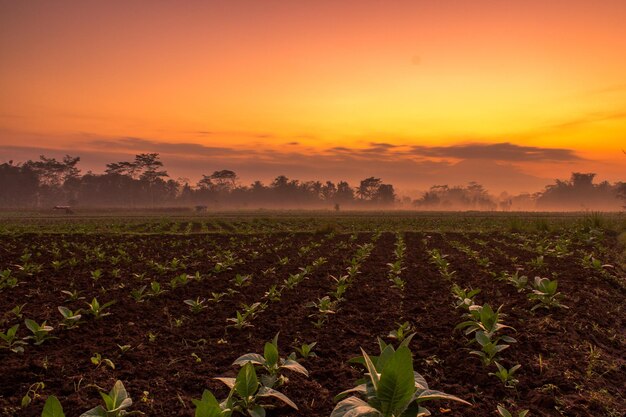
Seedlings and Transplanting
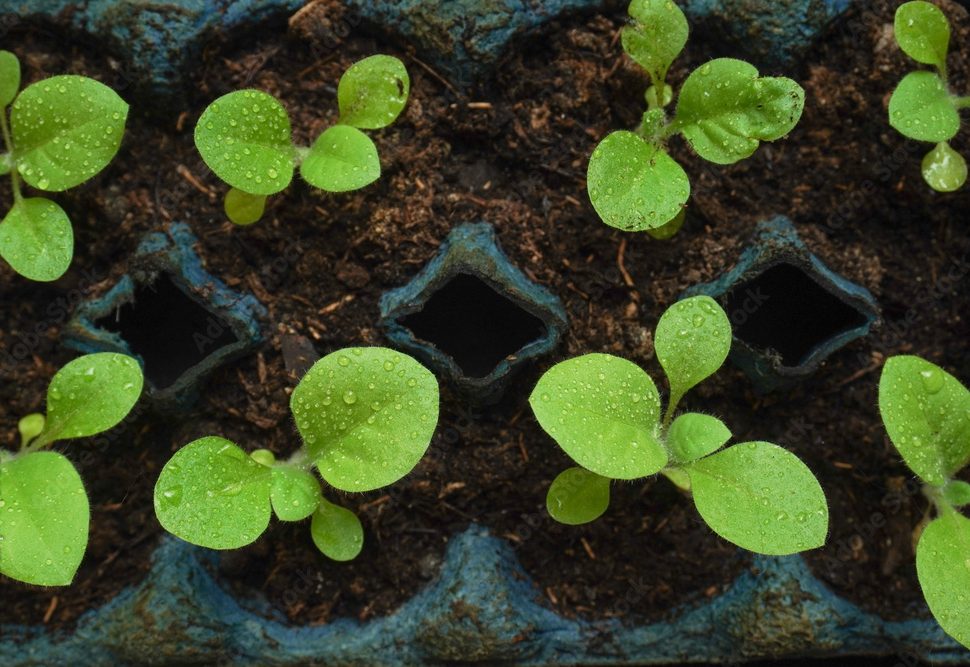
Seedlings are started in controlled nurseries and hardened off before moving to the field; growers time transplants when soil temperatures are stable to encourage strong establishment.
Vegetative Growth and Field Care

During the vegetative phase plants develop large leaves; practices like fertilization, irrigation, and pest management shape yield and leaf quality.
Topping, Suckering, and Harvest
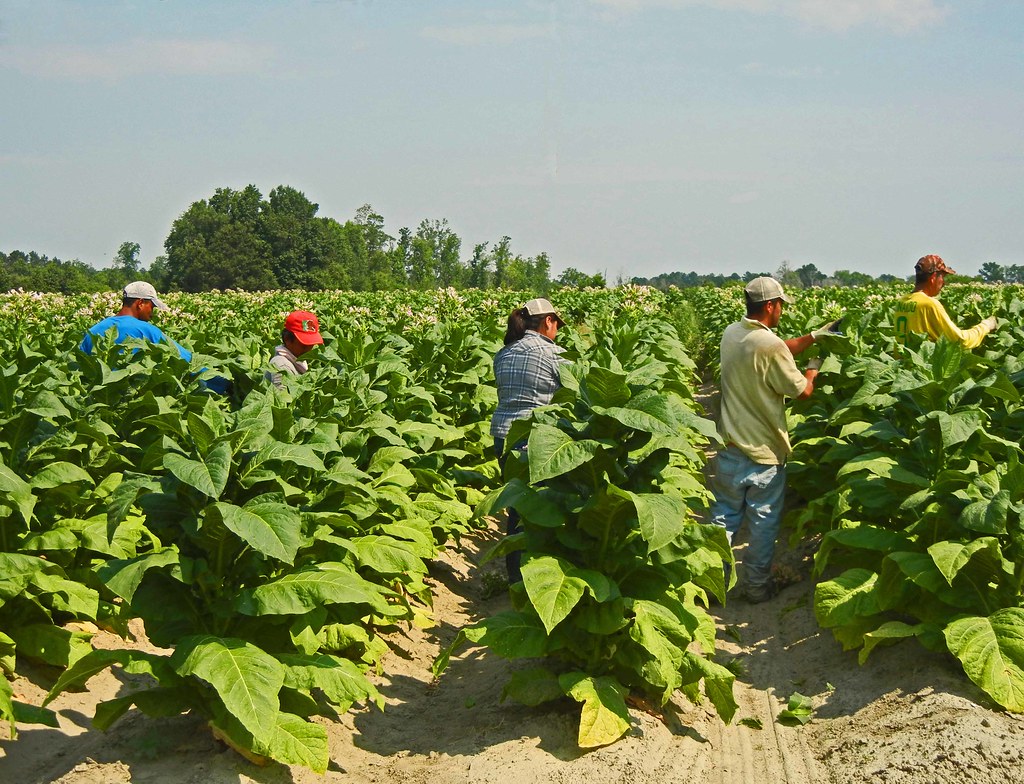
Topping and suckering are common to maximize leaf development; harvest can be done leaf-by-leaf (priming) or whole-stalk depending on variety and end use.
Curing Methods
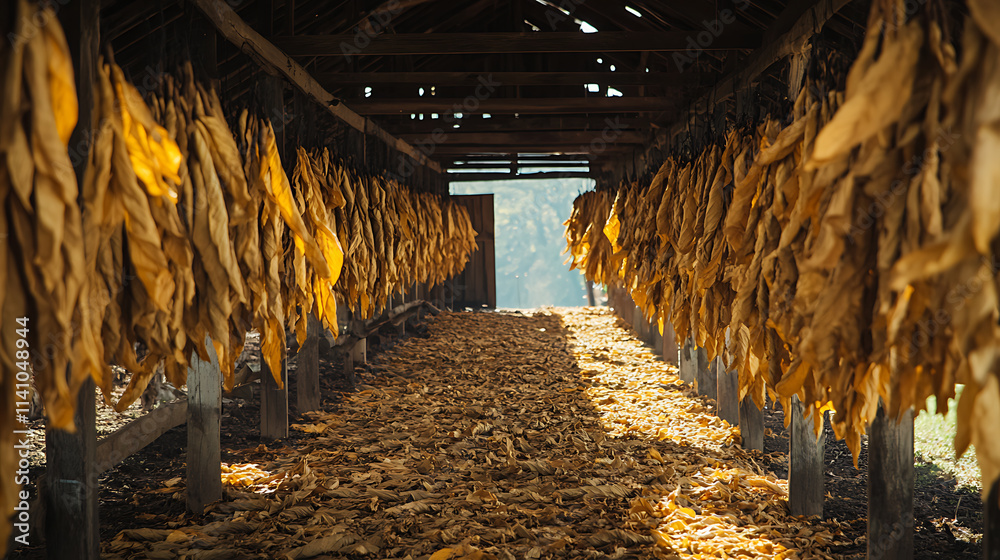
Curing transforms green leaves into the finished product: flue-curing (heated barns), air-curing (ventilated barns), fire-curing (smoke), and sun-curing each create distinct characteristics.
Sources: Biology Insights; Philip Morris International; EOS farming guide.